Peptide COA Data Report, Q3 2026: Purity and Measured Quantity for 15 Lots
Disclosure: Peptryn sells the research peptides in this report and is the client named on every certificate. The data comes from our own COA Library, so it is not an independent study. Every result links to the certificate hosted on the testing laboratory’s own site so you can check it, and the full dataset is downloadable. Independent replication is welcome.
Key findings
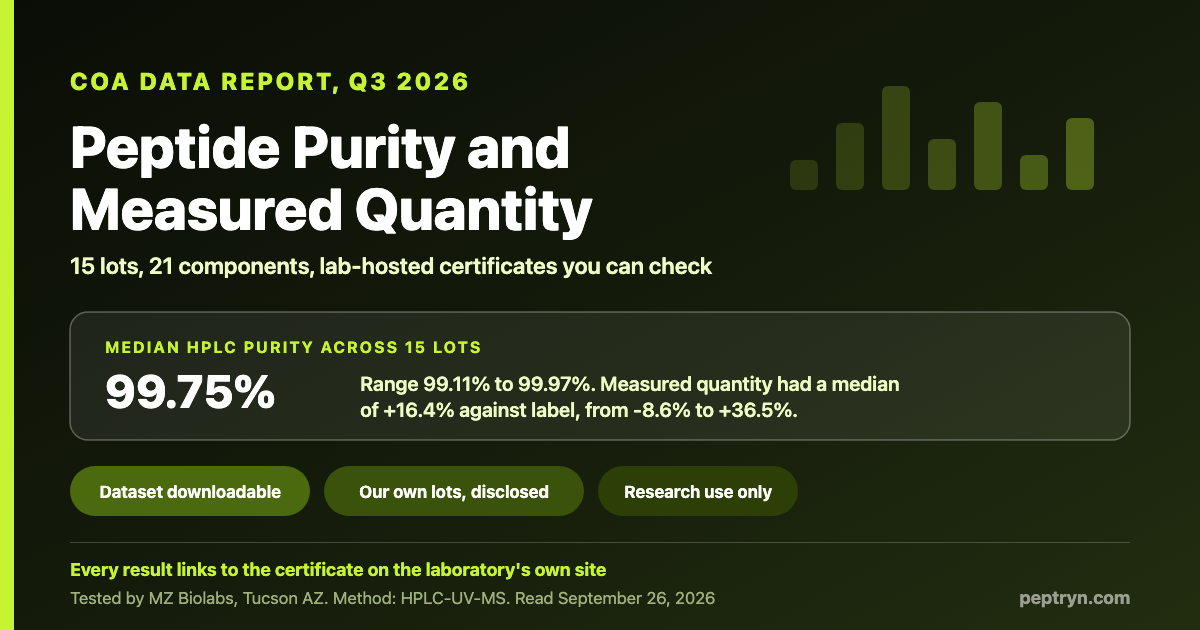
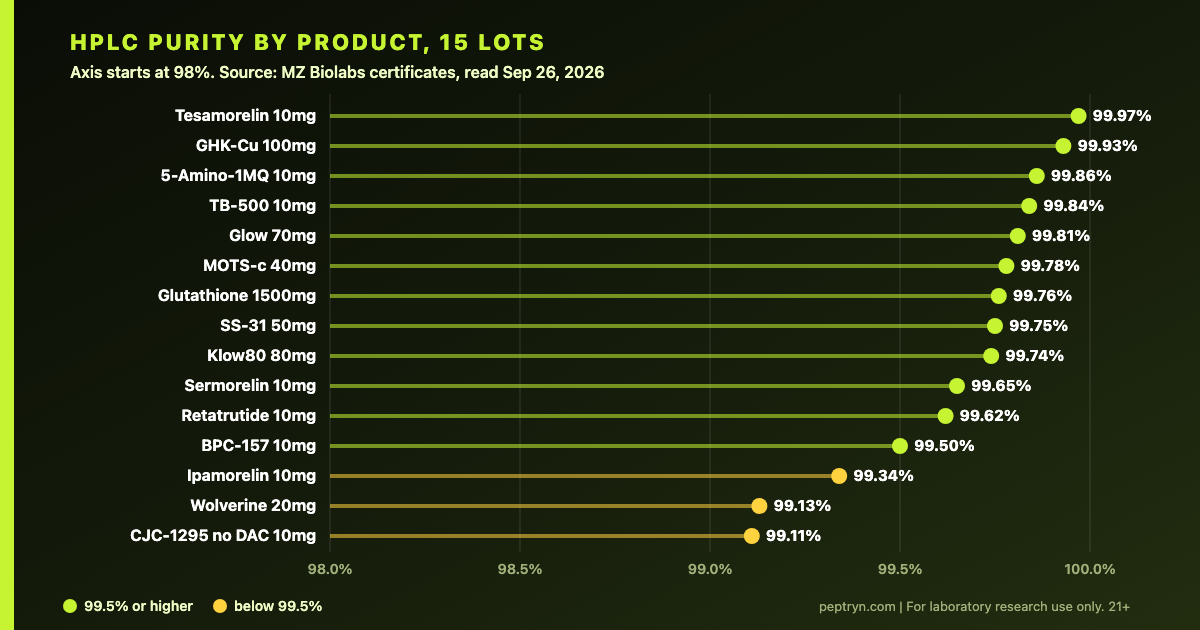
- Purity: 15 lots from 15 products measured 99.11% to 99.97% by HPLC-UV-MS, with a median of 99.75%. 12 of 15 measured 99.5% or higher.
- Match with our pages: the purity shown on each Peptryn COA page matches the laboratory certificate for all 15 lots we checked.
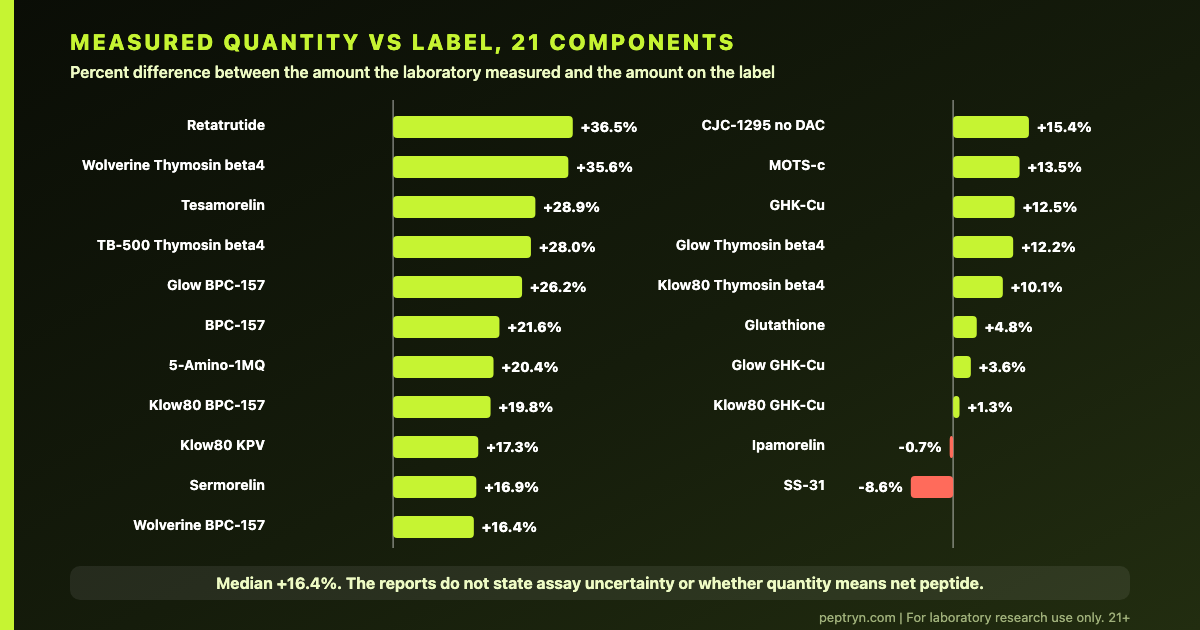
- Measured quantity: across 21 labeled components, the laboratory reported a median of +16.4% relative to the label, with a range from -8.6% to +36.5%. 16 of 21 measured more than 10% above the label, 7 measured more than 20% above, 4 were within 5% either way, and 2 measured below the label.
- What this is not: one lot per product, from one laboratory, without a stated assay uncertainty. It describes 15 specific lots and does not describe every batch.
How we built this dataset
Peptryn publishes certificates of analysis in its COA Library. Each certificate page links to a report hosted by the testing laboratory, MZ Biolabs of Tucson, Arizona. On September 26, 2026 we opened the laboratory-hosted certificate for each product and recorded the lot number, the laboratory’s analysis date, the purity figure, and the measured quantity of each labeled component. The method printed on every certificate is HPLC-UV-MS.
The library lists 16 published reports. One of them, Retatrutide 30 mg, does not yet have its own laboratory-hosted certificate, so it is excluded. That leaves 15 products and 21 labeled components. Blends report one purity figure and a measured amount for each component. We compared the measured amount to the amount printed on the product label and calculated the difference as a percentage.
Purity results by product
| Product (label) | Lot | Lab analysis date | Purity (HPLC-UV-MS) | Lab certificate |
|---|---|---|---|---|
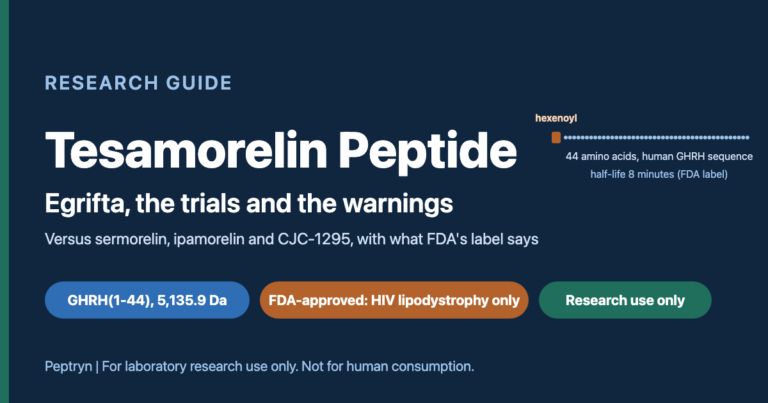
| Tesamorelin 10mg | 2026-08-05 | 2026-08-21 | 99.97% | View on MZ Biolabs |
| GHK-Cu 100mg | 2026-08-05 | 2026-08-24 | 99.93% | View on MZ Biolabs |
| 5-Amino-1MQ 10mg | 2026-08-05 | 2026-08-24 | 99.86% | View on MZ Biolabs |
| TB-500 10mg | 2026-08-05 | 2026-08-24 | 99.84% | View on MZ Biolabs |
| Glow 70mg | 2026-07-07 | 2026-07-15 | 99.81% | View on MZ Biolabs |
| MOTS-c 40mg | 2026-07-07 | 2026-07-15 | 99.78% | View on MZ Biolabs |
| Glutathione 1500mg | 2026-08-05 | 2026-08-27 | 99.76% | View on MZ Biolabs |
| SS-31 50mg | 2026-08-05 | 2026-08-24 | 99.75% | View on MZ Biolabs |
| Klow80 80mg | 2026-07-07 | 2026-07-15 | 99.74% | View on MZ Biolabs |
| Sermorelin 10mg | 2026-08-05 | 2026-08-20 | 99.65% | View on MZ Biolabs |
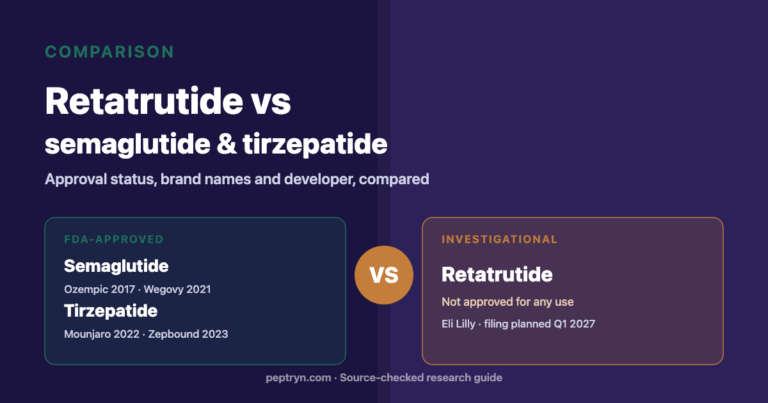
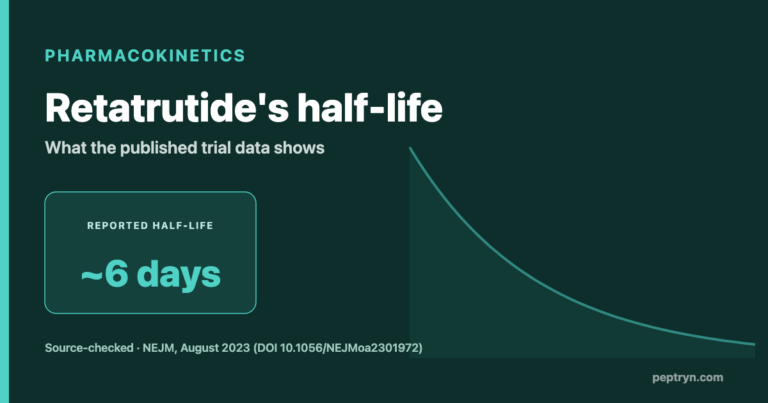
| Retatrutide 10mg | 2026-06-12 | 2026-06-19 | 99.62% | View on MZ Biolabs |
| BPC-157 10mg | 2026-08-05 | 2026-08-24 | 99.50% | View on MZ Biolabs |
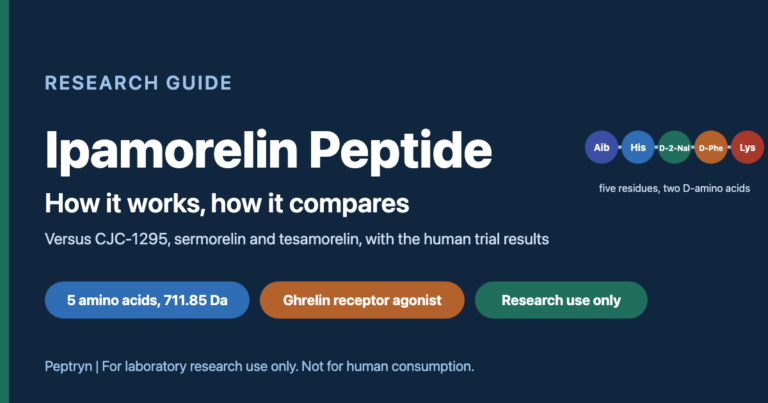
| Ipamorelin 10mg | 2026-08-05 | 2026-08-24 | 99.34% | View on MZ Biolabs |
| Wolverine 20mg | 2026-08-05 | 2026-08-27 | 99.13% | View on MZ Biolabs |
| CJC-1295 no DAC 10mg | 2026-08-05 | 2026-08-24 | 99.11% | View on MZ Biolabs |
Purity by HPLC is the share of the detected signal that belongs to the main peak. It is not the same as the share of the powder that is peptide, which is lower because vials also contain water and counter-ions. See our guides to peptide purity and how to read a COA.
Measured quantity versus label
Each laboratory certificate also reports how much of each compound the lab measured in the vial. The table lists all 21 components from the largest positive difference to the largest negative one.
| Product | Component | Label (mg) | Measured (mg) | Difference |
|---|---|---|---|---|
| Retatrutide 10mg | Retatrutide | 10 | 13.65 | +36.5% |
| Wolverine 20mg | Thymosin beta4 | 10 | 13.56 | +35.6% |
| Tesamorelin 10mg | Tesamorelin | 10 | 12.89 | +28.9% |
| TB-500 10mg | Thymosin beta4 | 10 | 12.80 | +28.0% |
| Glow 70mg | BPC-157 | 10 | 12.62 | +26.2% |
| BPC-157 10mg | BPC-157 | 10 | 12.16 | +21.6% |
| 5-Amino-1MQ 10mg | 5-Amino-1MQ | 10 | 12.04 | +20.4% |
| Klow80 80mg | BPC-157 | 10 | 11.98 | +19.8% |
| Klow80 80mg | KPV | 10 | 11.73 | +17.3% |
| Sermorelin 10mg | Sermorelin | 10 | 11.69 | +16.9% |
| Wolverine 20mg | BPC-157 | 10 | 11.64 | +16.4% |
| CJC-1295 no DAC 10mg | CJC-1295 no DAC | 10 | 11.54 | +15.4% |
| MOTS-c 40mg | MOTS-c | 40 | 45.41 | +13.5% |
| GHK-Cu 100mg | GHK-Cu | 100 | 112.46 | +12.5% |
| Glow 70mg | Thymosin beta4 | 10 | 11.22 | +12.2% |
| Klow80 80mg | Thymosin beta4 | 10 | 11.01 | +10.1% |
| Glutathione 1500mg | Glutathione | 1500 | 1571.73 | +4.8% |
| Glow 70mg | GHK-Cu | 50 | 51.79 | +3.6% |
| Klow80 80mg | GHK-Cu | 50 | 50.65 | +1.3% |
| Ipamorelin 10mg | Ipamorelin | 10 | 9.93 | -0.7% |
| SS-31 50mg | SS-31 | 50 | 45.70 | -8.6% |
What these numbers do and do not show
- One lot per product. Eleven of the 15 lots share the lot date 2026-08-05. The dataset is a snapshot, so it says nothing about variation between lots.
- One laboratory, engaged by us. MZ Biolabs is independent of Peptryn, and Peptryn is its client. A second laboratory testing the same lots would strengthen or challenge these figures.
- No stated assay uncertainty. The certificates give quantity to two decimals but do not state the method’s measurement uncertainty, so small differences should not be over-read.
- The meaning of “quantity” is not stated. A certificate does not say whether the figure refers to net peptide or to the gross contents of the vial, and our product labels do not specify either. Until that is clarified, we do not draw conclusions about why measured amounts sit above the label for most components.
- Purity is not safety. These are laboratory materials, sold for research only. The figures say nothing about suitability for any use in people.
Open questions
- What is the stated uncertainty of the quantity assay?
- Does the reported quantity refer to net peptide content or to the gross contents of the vial?
- What reference standard was used for each compound?
If you work in analytical chemistry and can answer any of these, or you see something we have missed, please contact us.
What buyers can take from this
Whoever supplies your material, the same checks apply. Match the lot on the vial to the certificate, open the report on the laboratory’s own site, compare its figures with what the supplier’s page says, and read the quantity line as well as the purity line. Our supplier checklist turns this into ten checks, and peptide testing explains the methods.
Download the dataset
All 21 rows with lot, analysis date, purity, label amount, measured amount and percentage difference, as a CSV. You are free to reuse it with attribution to Peptryn.
Common questions
What purity do Peptryn’s peptides have?
In the 15 lots covered here, HPLC purity measured between 99.11% and 99.97%, with a median of 99.75%. Each figure links to the laboratory’s own certificate.
Who tests Peptryn’s peptides?
MZ Biolabs, an outside laboratory in Tucson, Arizona, tests each lot. Peptryn is the client named on the certificates.
Is this an independent study?
No. The lots and the library belong to Peptryn, and we compiled the figures. The testing laboratory is independent of Peptryn. The laboratory-hosted certificates let you verify each number.
What does HPLC-UV-MS mean?
It combines liquid chromatography, which separates a sample into its components, with ultraviolet detection for purity and mass spectrometry for identity.
Why does measured quantity differ from the label?
We do not yet know. The certificates do not state assay uncertainty or whether quantity means net peptide or gross contents, and we have listed those as open questions.
Does a high purity figure prove quality?
No single figure describes quality. Purity, identity, quantity and endotoxin results each answer a different question, and a lot-matched report is only useful if it describes the vial you hold.
Where can I download the data?
The CSV above contains every row in this report.
Are these products for human use?
No. Peptryn sells research materials for laboratory use only. They are not for human or veterinary use, and buyers must be 21 or older.
Related: What is a COA? · Peptide purity · Peptide testing · Peptide synthesis explained · Best place to buy peptides online
Sources and data
MZ Biolabs certificates of analysis, hosted at mzbiolabs.com and linked from each row above (read September 26, 2026).
Peptryn COA Library, peptryn.com/coa/ (accessed September 26, 2026).
Peptryn dataset: peptryn-coa-purity-and-quantity-2026-09.csv.
For laboratory research use only. Not for human or veterinary use, and not a drug, food, dietary supplement or cosmetic. You must be 21 or older to buy.